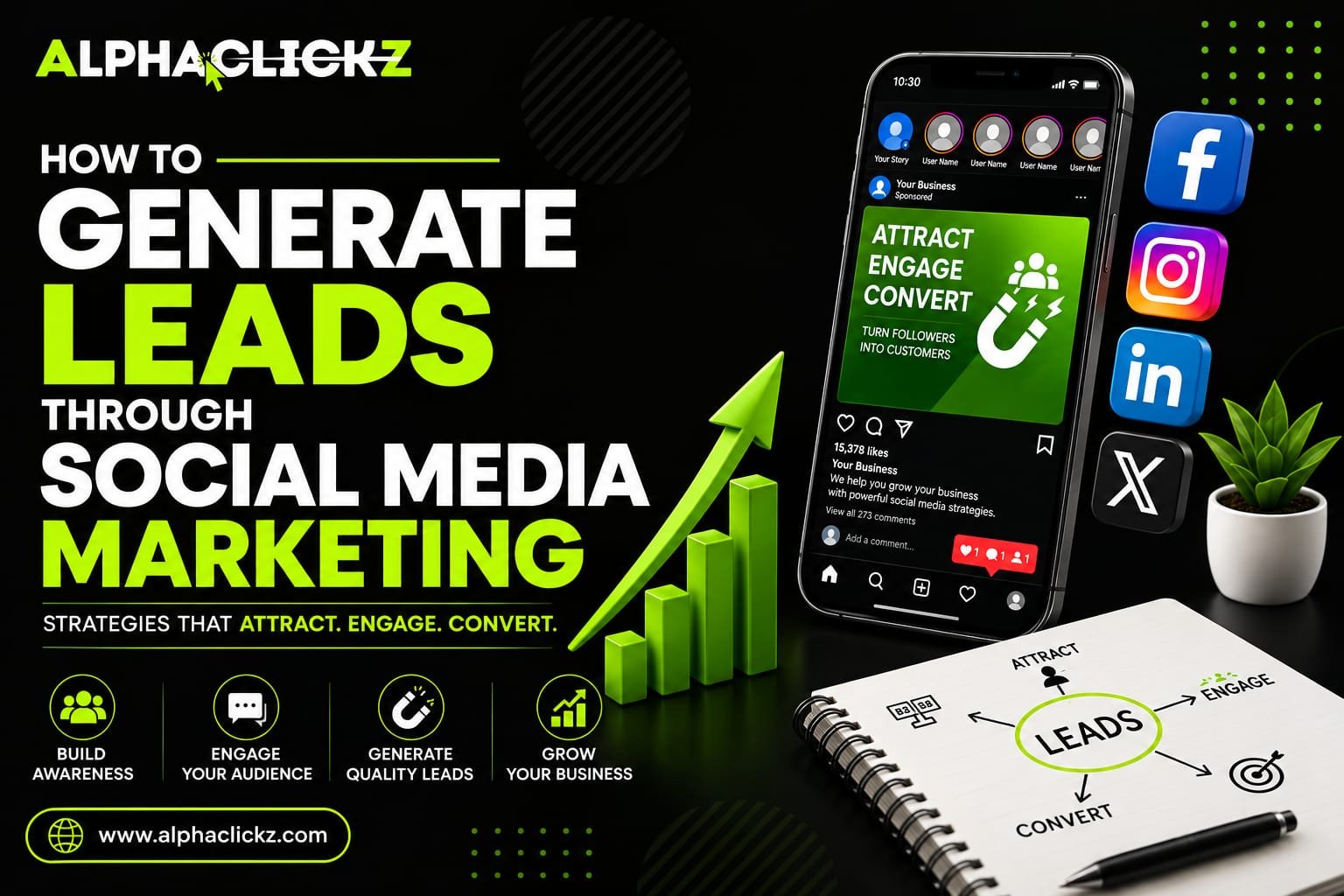
Social media is no longer just a platform for sharing photos, videos, and updates. For businesses, it has become an important channel for attracting potential customers, building trust, and creating new business opportunities.
However, getting likes and followers is not the same as generating leads. The real value of social media comes from turning attention and engagement into actions such as website visits, enquiries, messages, consultation requests, sign-ups, and purchases.
This is where social media lead generation becomes important. With the right strategy, businesses can use platforms such as Instagram, Facebook, and LinkedIn to reach relevant audiences and guide potential customers toward taking action.
In this guide, we will explore practical ways to generate quality leads through social media marketing.
What Is Social Media Lead Generation?
Social media lead generation is the process of attracting potential customers through social media and encouraging them to take an action that can create a business opportunity.
A lead can be someone who:
- Sends a direct message
- Fills out a contact form
- Requests a quotation
- Books a consultation
- Signs up for an offer
- Downloads a useful resource
- Makes a purchase
The goal is not simply to increase followers. It is to attract people who have a genuine interest in your products or services and move them closer to becoming customers.
Why Is Social Media Important for Lead Generation?
People use social media to discover brands, research products, compare options, watch reviews, and communicate with businesses. This gives businesses opportunities to connect with potential customers before they make a buying decision.
A strong social media presence can help businesses:
- Reach new audiences
- Build brand awareness
- Establish credibility
- Showcase products and services
- Generate enquiries
- Communicate directly with customers
- Build long-term relationships
The key is to connect social media activity with a clear business goal instead of focusing only on likes and views.
1. Define Your Target Audience First
The first step in generating leads is understanding exactly who you want to attract. If your content is created for everyone, it may not strongly connect with the people most likely to become customers.
Identify factors such as:
- Age group
- Location
- Interests
- Profession
- Buying behaviour
- Problems and challenges
- Needs and preferences
For example, a digital marketing business targeting small companies can create content around lead generation, website traffic, online advertising, and social media growth. When content speaks directly to the ideal customer, it becomes easier to attract relevant leads.
2. Choose the Right Social Media Platforms
Being active on every platform is not necessary. Choose platforms based on where your target audience spends time.
Instagram can be useful for businesses that communicate through images, Reels, Stories, and short videos. Businesses can generate leads through educational posts, product content, direct messages, profile links, and clear calls to action.
Facebook can help businesses reach specific audiences, build communities, share useful content, and run lead-generation campaigns. It can be useful for local businesses, service providers, and brands that want to stay connected with their audience.
For B2B businesses, LinkedIn can help build professional credibility, share industry knowledge, connect with decision-makers, and create business enquiries.
The right platform is the one that matches your audience and business goals.
3. Optimize Your Social Media Profile
Your social media profile is often the first place a potential customer visits after discovering your content. Think of it as a digital storefront.
A visitor should quickly understand who you are, what you offer, who you help, and how to contact you.
Make sure your profile has:
- Clear business name
- Professional profile image or logo
- Simple and useful bio
- Service information
- Website or landing-page link
- Contact details
- Clear call to action
Avoid unnecessary information and make the next step easy for visitors.
4. Create Content That Solves Problems
One common mistake is using social media only to promote products or services. People are more likely to engage with content that helps them solve a problem, learn something useful, or make a better decision.
Create content around questions and challenges your audience regularly faces.
For example, a marketing business can share:
- Social media marketing tips
- Lead generation ideas
- Common SEO mistakes
- Advertising tips
- Website improvement suggestions
- Content marketing advice
Useful content can demonstrate expertise and build trust before a potential customer contacts the business.
5. Use Reels, Videos, Carousels, and Stories
Different content formats can serve different purposes.
Reels and Short Videos
Short-form videos can help businesses capture attention quickly and explain products, services, tips, or solutions in an easy-to-consume format.
Carousel Posts
Carousels are useful for educational content, step-by-step guides, checklists, comparisons, and multiple tips within one post.
Stories
Stories can help businesses stay visible and encourage direct actions such as replies, link clicks, bookings, or enquiries.
The key is not to use a particular format simply because it is popular. Choose the format that communicates your message most effectively.
6. Add Clear Call to Action
A potential customer may like your content but still not know what to do next. A clear call to action gives them a simple next step.
Examples include:
- Send us a message
- Book a consultation
- Get a free quote
- Visit our website
- Request more information
- Contact us today
The CTA should match the content. An educational post may encourage a user to download a guide, while a service post may encourage them to request a consultation.
7. Use Lead Magnets
A lead magnet is something useful offered in exchange for contact information.
Examples include:
- Free guides
- Checklists
- Templates
- E-books
- Free consultations
- Audits
- Product demos
- Special offers
A good lead magnet should solve a real problem. For example, a marketing business could offer a basic social media checklist. Someone who downloads it has already shown interest in improving their online presence.
8. Use Paid Social Media Advertising
Organic content can build trust and engagement, while paid advertising can help businesses reach a larger and more targeted audience.
Facebook and Instagram advertising can encourage actions such as website visits, messages, form submissions, and purchases.
Businesses can also create retargeting campaigns for people who have already visited their website or interacted with their content. This can help bring interested users back and encourage them to take the next step.
9. Create a Simple Lead Funnel
A clear journey makes lead generation easier to manage:
Social Media Content → Engagement → Website or Lead Form → Enquiry → Follow-Up → Customer
For example, a person may discover an Instagram Reel, visit the profile, click the website link, learn about the service, and submit an enquiry.
The process does not end after the form is submitted. Quick and relevant follow-up can help turn an interested prospect into a customer.
10. Build Trust Before Asking for a Sale
People are more comfortable contacting businesses they trust. Social media can help demonstrate credibility through:
- Customer testimonials
- Reviews
- Case studies
- Client results
- Educational content
- Behind-the-scenes posts
- Team introductions
- FAQs
Not every post needs to sell something. A balanced strategy should educate, engage, build trust, and convert.
11. Respond Quickly to Social Media Leads
Generating a lead is only the beginning. If someone sends a message or requests information, a delayed response may reduce their interest.
Respond professionally, ask relevant questions, provide useful information, and follow up when needed. A quick and helpful response can improve the customer experience and keep the conversation moving.
12. Track the Right Metrics
Likes and followers can indicate engagement, but they do not tell the complete story.
Track business-focused metrics such as:
- Leads generated
- Cost per lead
- Website clicks
- Form submissions
- Direct messages
- Qualified leads
- Conversions
- Sales
A post with fewer likes may generate several enquiries, while a popular post may generate no customers. This is why lead quality and conversions matter more than engagement alone.
Common Social Media Lead Generation Mistakes
Focusing Only on Followers
A large following does not automatically mean more customers. Focus on reaching people who are relevant to your business.
Posting Without a Strategy
Random content can make your social presence inconsistent. Plan content around specific business goals and audience needs.
Using Weak CTAs
If you want people to take action, clearly tell them what they should do next.
Promoting Too Much
Constantly selling can make content repetitive. Balance promotional posts with useful, educational, and engaging content.
Ignoring Comments and Messages
Comments and messages can become valuable opportunities when businesses respond professionally and continue the conversation.
Not Tracking Conversions
Without tracking, it becomes difficult to understand which posts and campaigns are actually generating business results.
How Social Media Supports Lead Generation
Effective social media marketing requires more than regular posting. It combines audience research, content planning, creative content, engagement, advertising, and performance tracking.
A structured approach can help businesses create consistent content, reach the right audience, improve engagement, and guide interested users toward conversion. Businesses can also explore professional social media marketing services to manage these activities more effectively.
Final Thoughts
Social media can become a valuable source of business opportunities when it is used with a clear strategy.
Successful social media lead generation starts with understanding your audience and choosing the right platforms. From there, businesses need useful content, optimized profiles, strong calls to action, trust-building activities, paid campaigns when appropriate, and consistent follow-up.
Most importantly, success should not be measured only by followers, likes, or views. Focus on qualified leads, enquiries, conversions, and customers.
With consistent planning and the right execution, social media can become more than a platform for visibility. It can become a practical channel for attracting, nurturing, and converting potential customers.
Frequently Asked Questions
How can social media marketing help generate leads?
Social media marketing can generate leads by helping businesses reach relevant audiences, share valuable content, build trust, and encourage users to take actions such as filling out forms or contacting the business.
Which social media platforms are best for lead generation?
The right platform depends on your target audience, industry, and goals. Businesses may use platforms such as Facebook, Instagram, LinkedIn, or other channels where their potential customers are active.
What type of content generates leads on social media?
Educational posts, videos, case studies, customer testimonials, product demonstrations, offers, and useful guides can encourage potential customers to engage and enquire.
Should small businesses use paid social media advertising for leads?
Paid advertising can help businesses reach specific audiences and generate targeted traffic or enquiries. Campaigns should be monitored and optimised based on their results.
How can I improve the quality of social media leads?
Use clear audience targeting, relevant messaging, strong calls to action, and dedicated landing pages or lead forms. Regularly review lead quality and adjust your strategy based on which campaigns produce relevant enquiries.